Curriculum Followed

Club Activities keep the zest of hands-on learning alive and constructive presentation of the knowledge attained during such activities, make learning relatable and fun-filled!
The curriculum also entails reaching out to the community and imbibing empathy through social welfare drives, such as charitable donations in orphanages and old age homes.
Students gain an in-depth and holistic perspective towards life!
Curriculum Outline
Education is the foundation for a rewarding future. It is a philosophy based on the premise that each person finds identity, meaning, and purpose in life through connections to the community, to the natural world, and to spiritual values such as compassion and peace.
Vision Statement : Our curriculum aims to foster an educational environment that promotes holistic development, critical thinking, creativity, and lifelong learning in alignment with the National Education Policy (NEP) 2020.
Core Principles of the curriculum
Holistic and Multidisciplinary Learning
Focus on Conceptual Understanding
Integration of Technology in Education
Emphasis on Life Skills and Values
Continuous and Comprehensive Evaluation
Subject Areas
Languages (English,Hindi,Marathi)
Emphasis on reading, writing, speaking, and listening skills
Literature that reflects diverse cultures and perspectives
Mathematics
Focus on conceptual understanding and problem-solving
Integration of real-life applications and technology
Science (Physics, Chemistry, Biology)
Inquiry-based learning and experimentation
Integration of environmental and sustainability education
Social Sciences (History, Geography, Political Science, Economics)
Interdisciplinary approach to understanding society and the environment
Emphasis on critical thinking and analysis
Arts and Crafts
Exploration of various art forms (visual arts, music, dance, theater)
Encouragement of creativity and self-expression
Physical Education and Sports
Promotion of physical fitness and well-being
Inclusion of traditional and modern sports
Artificial Intelligence, Information Technology and Robotics
Development of digital literacy and computational thinking
Safe and responsible use of technology
Vocational Education (Optional)
Introduction to various vocational skills (e.g., gardening, cooking, carpentry)
Alignment with local industry and community needs
Pedagogical Approaches
Learner-centered and inquiry-based teaching methods
Integration of experiential learning and field trips
Use of technology for interactive learning and assessment
Collaboration and group work to foster teamwork and communication
Assessment and Evaluation
Continuous and Comprehensive Evaluation (CCE) approach
Formative and summative assessments
Regular feedback for improvement
Portfolios and project-based assessments
Extracurricular Activities
Clubs (e.g., science club, debate club, eco-club)
Community service and social responsibility initiatives
Cultural and sports events
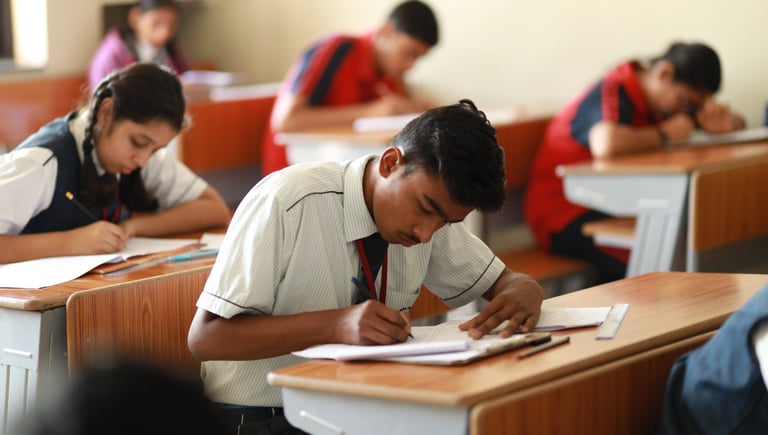
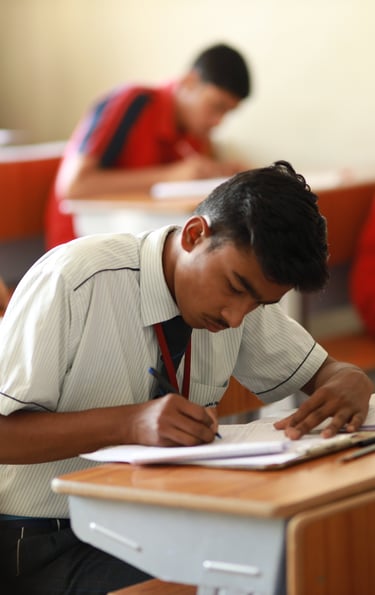
VTS Akot follows the core ideology of imparting child centric learning, perfectly blended with the NEP norms.
Conceptual learning is strengthened with multifarious exposure and interdisciplinary activities.
Subject Enrichment Activities play a key role in cognitive enhancement and are instrumental in venturing beyond the textbooks for conferring learning relevant to the day to day life!